
No products in the cart.
Valley of Flowers Complete Guide: Best Time, Cost, Route, Stay & Trek Difficulty
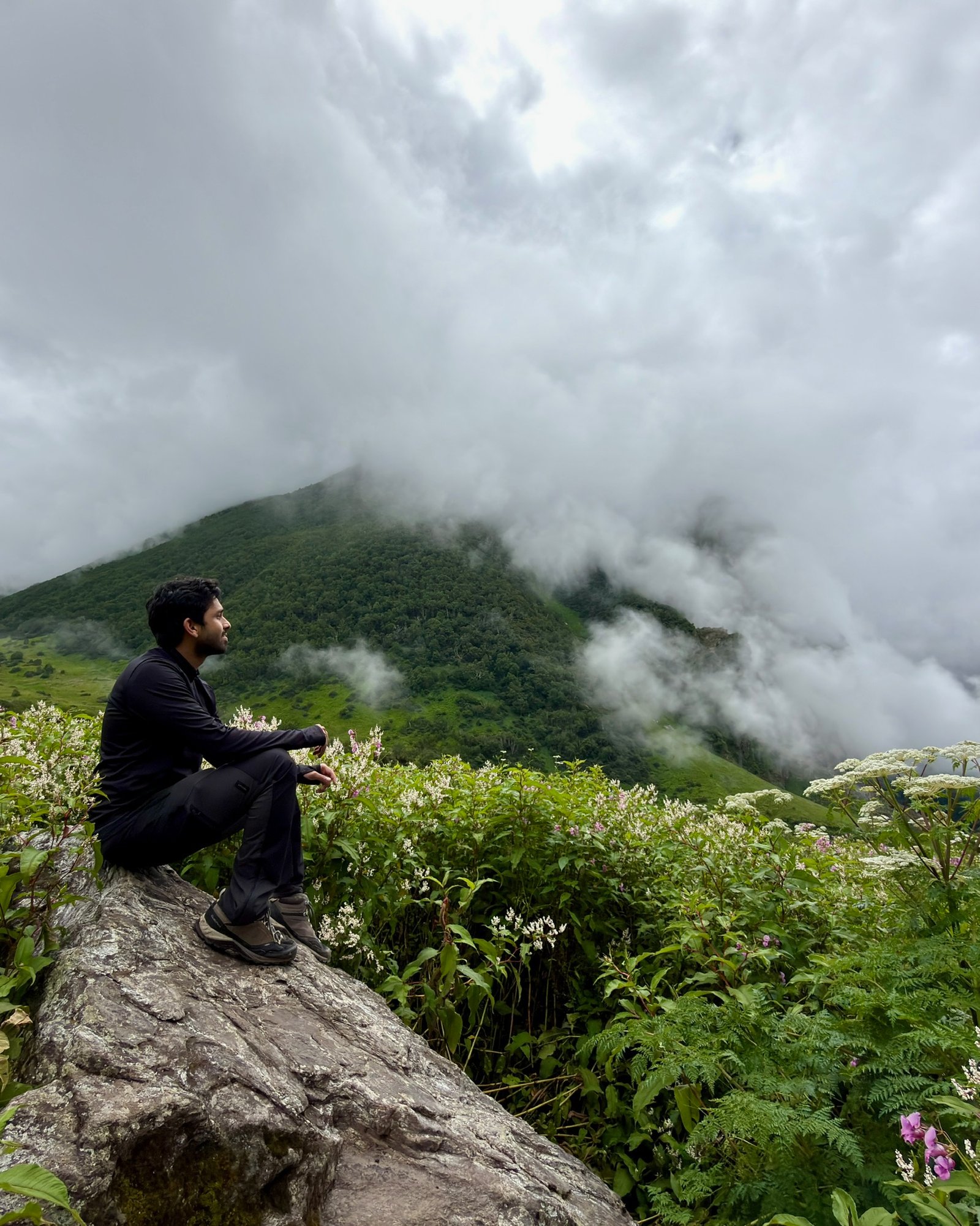
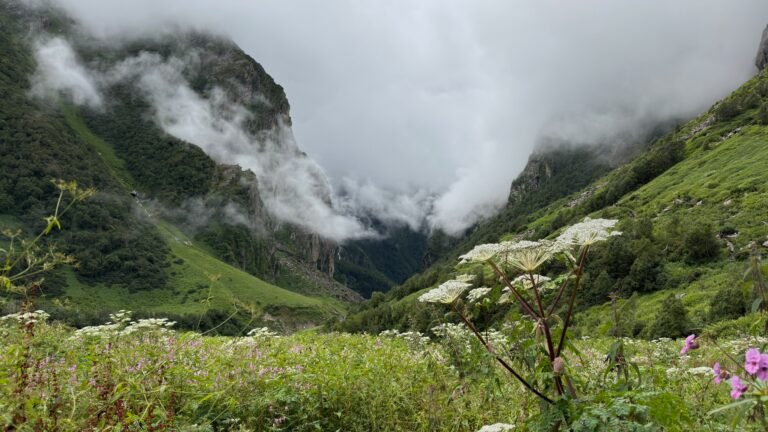
The Valley of Flowers trek in Uttarakhand is one of the most beautiful hikes in India. Located in the high Himalayas, the trail takes you through forests, waterfalls, streams, alpine meadows and dramatic mountain landscapes before opening up into the famous Valley of Flowers National Park.
If you’re planning a Valley of Flowers trek, this guide covers everything you need to know, including the best time to visit, how to reach Ghangaria, where to stay, the cost, trek difficulty and what to expect along the way.
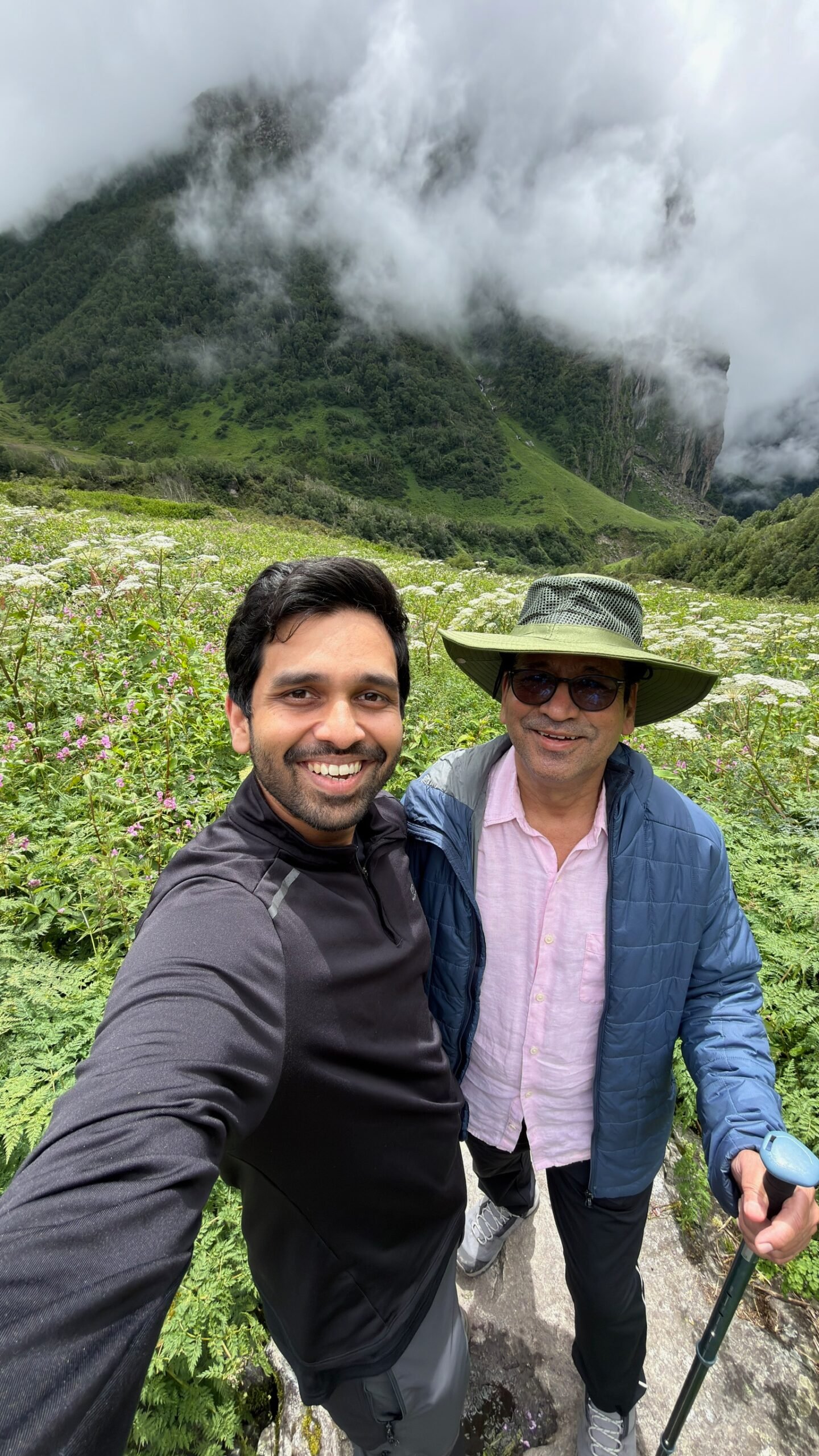
I recently did the trek with my dad, who is 60 years old, and one of my biggest takeaways was that the valley itself isn’t the only highlight.
The hike is a huge part of the experience.
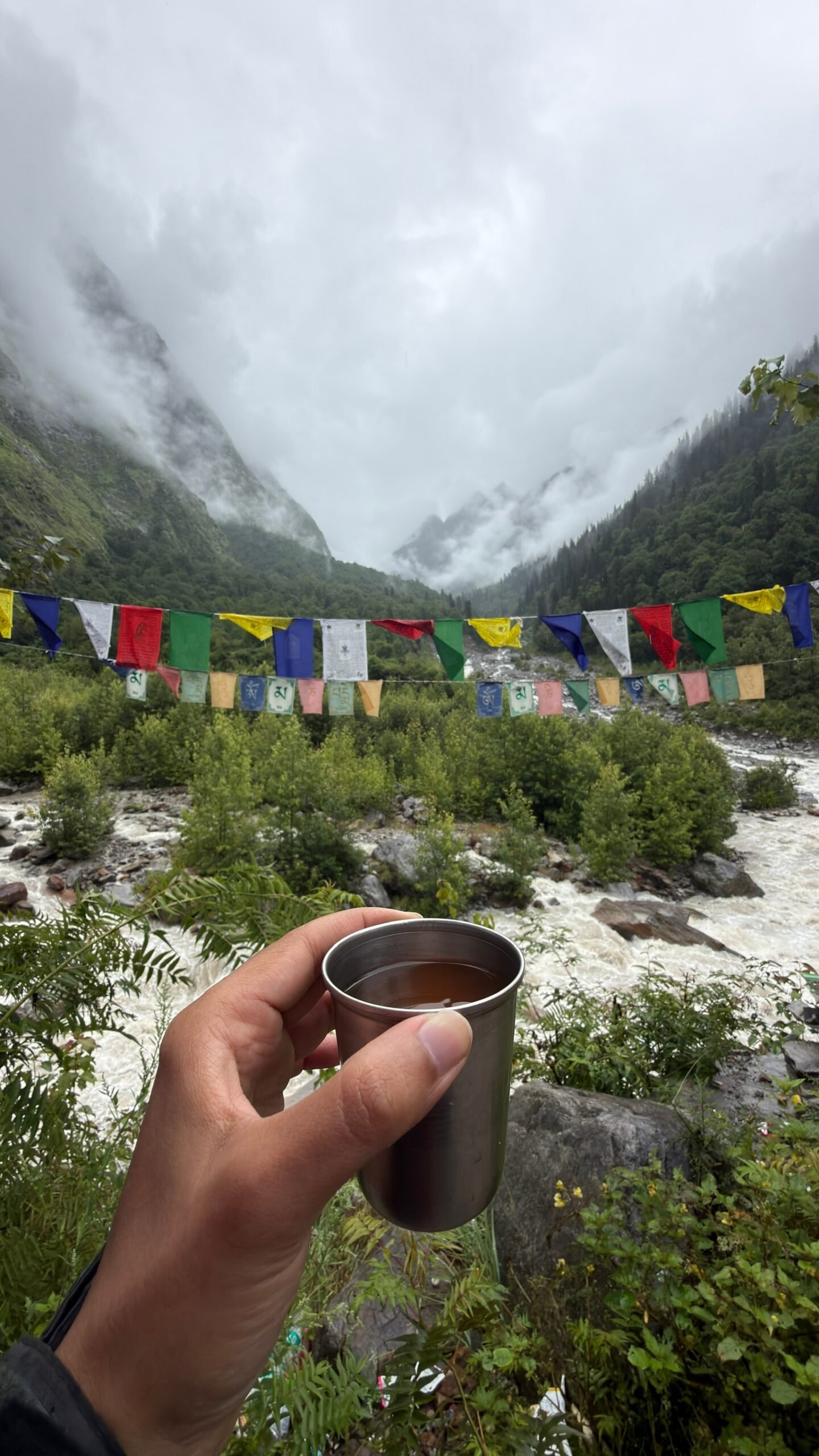
The trail is constantly surrounded by waterfalls, rivers, forests and glacier-covered Himalayan peaks, so don’t spend the entire journey thinking about reaching the final destination. Take your time and enjoy the landscape along the way.
Valley of Flowers at a Glance
Location: Chamoli, Uttarakhand
Tour operator: The Searching Souls
Cost: Approx. ₹23,000 per person
Route: Joshimath → Ghangaria → Valley of Flowers
Joshimath stay: Tattva Resort
Ghangaria stay: Kuber Annex
Trek difficulty: Moderate
Best time to visit: July to September
Peak flowering season: July to August
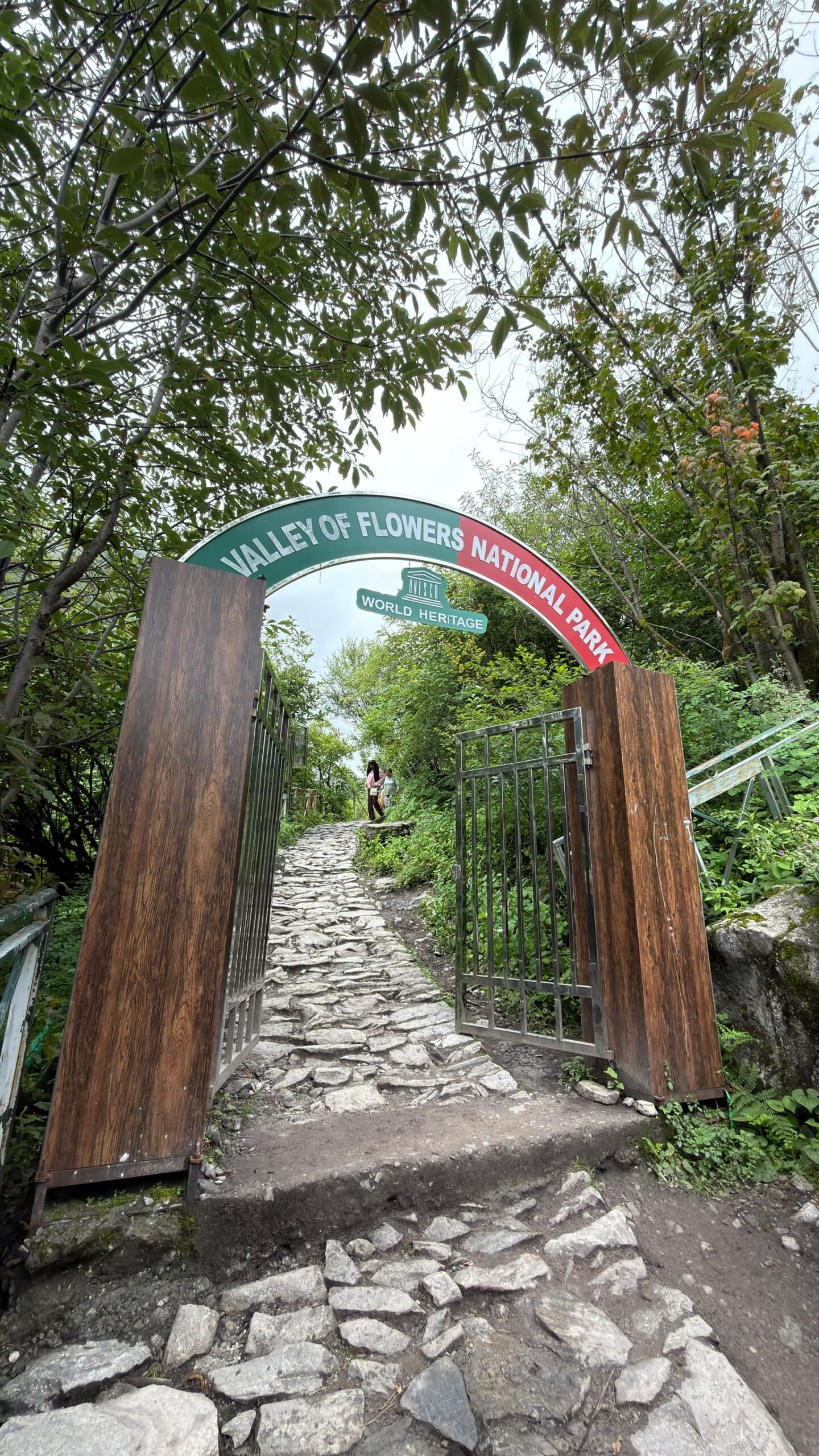
The Valley of Flowers National Park is a UNESCO World Heritage Site and is known for its alpine meadows and exceptional diversity of Himalayan flora.
The park generally opens around June and closes around October, although the exact dates can depend on local conditions. The best months for seeing the valley in bloom are generally July and August, while September can offer a quieter experience with the possibility of clearer mountain views.
When Is the Best Time to Visit Valley of Flowers?
The best time depends on what you’re looking for.
July and August: Best for flowers
If your priority is seeing the Valley of Flowers at its most colourful, July and August are the months to aim for.
This is peak flowering season, but it’s also peak tourist season. Expect plenty of people on the trail, particularly during the most popular weeks.
Because this coincides with the monsoon, you should also be prepared for rain, slippery trails and changing weather.
September: Fewer crowds
September can be a good alternative if you’d prefer a slightly quieter experience.
Some of the flowers will have started to disappear, but the landscape remains spectacular and you may get better visibility of the surrounding mountains.
June: Early season
June is another option if you want to avoid the peak crowds, although the valley won’t be at its most colourful yet.
If flowers are your priority, I’d choose July or August. If you want a balance between landscapes, weather and fewer people, September is worth considering.
Joshimath: The Starting Point
We started our journey from Joshimath, which is an important base for exploring this part of Uttarakhand.
How to Reach Joshimath
Joshimath is connected by road, but there is no railway station or commercial airport in the town itself.
By Air: The nearest airport is Jolly Grant Airport in Dehradun, approximately 270 km from Joshimath. From the airport, you can hire a taxi or take a bus towards Joshimath.
By Train: The nearest railway station is Rishikesh Railway Station, approximately 250 km from Joshimath. From Rishikesh, you can continue by bus or taxi.
The final stretch to Joshimath is by road, and the journey through the mountains is long but incredibly scenic.
Where to Stay in Joshimath
We stayed at Tattva Resort, and this was easily the most comfortable stay of the trip.
The property has clean, comfortable rooms, great views, good food and a bar, making it a great place to rest before heading into the mountains.
After a long journey, having a comfortable hotel here makes a big difference.
Badrinath & Mana Village
We took a day trip from Joshimath to Badrinath and Mana Village, with the drive taking around two hours.
The area can get very crowded, but Mana is worth exploring beyond its main tourist sections.
Walk beyond the main village. Once you move away from the busiest areas, the landscape becomes much more scenic and enjoyable to explore.
Getting to Ghangaria
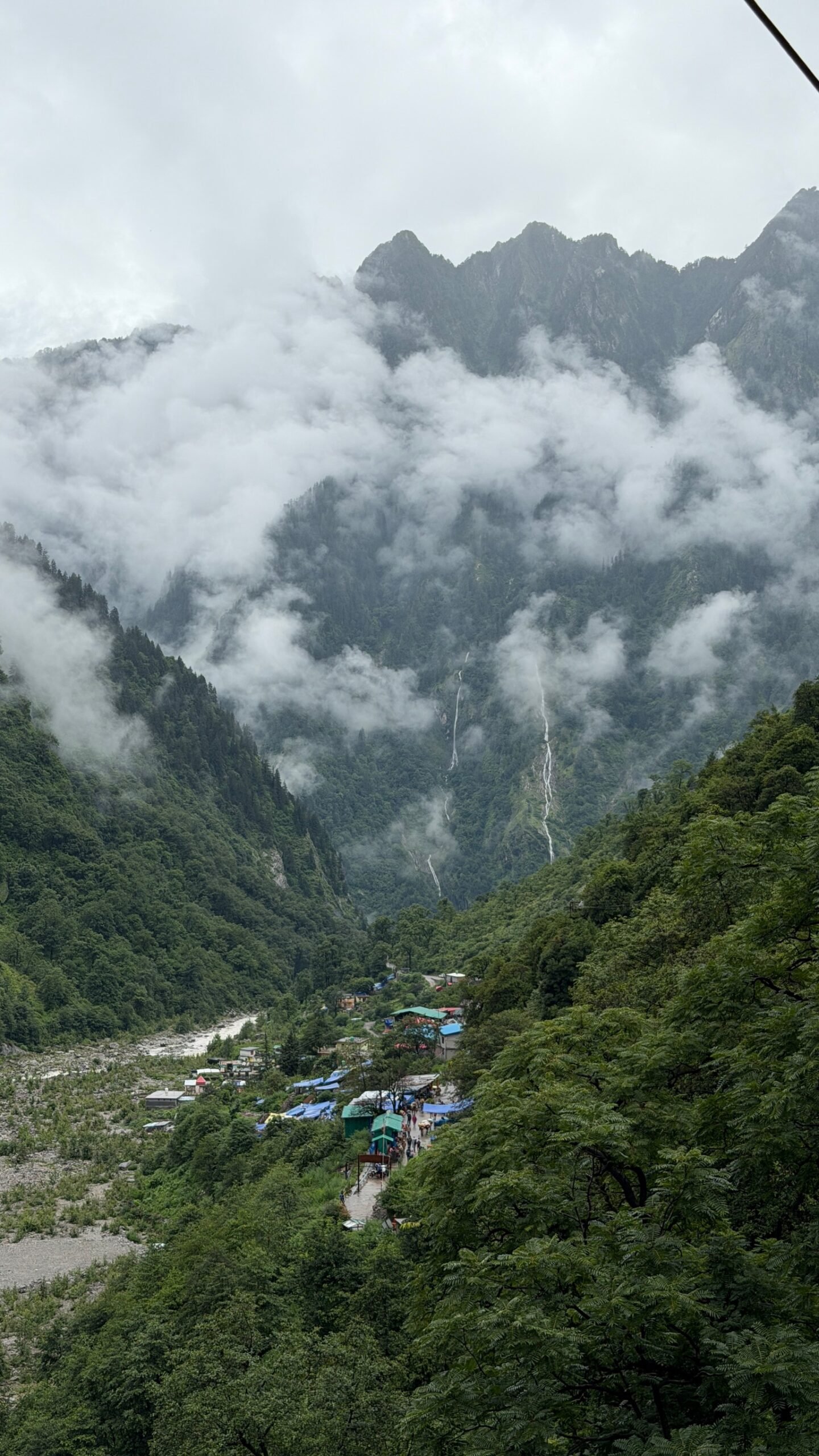
Ghangaria is the main base for the Valley of Flowers trek.
From the area around Joshimath, we drove for approximately an hour, followed by a roughly 15-minute shared taxi ride to reach the starting point of the trek.
From there, we began the hike to Ghangaria.
The Trek to Ghangaria
The trek to Ghangaria took us approximately six hours, including around an hour-long lunch break.
Depending on your pace and how often you stop, expect roughly five to six hours.
Fortunately, you don’t need to carry all your food with you. There are several dhabas along the route selling basic meals and snacks such as:
• Maggi
• Aloo paratha
• Chai
• Snacks
And the route itself is incredibly scenic.
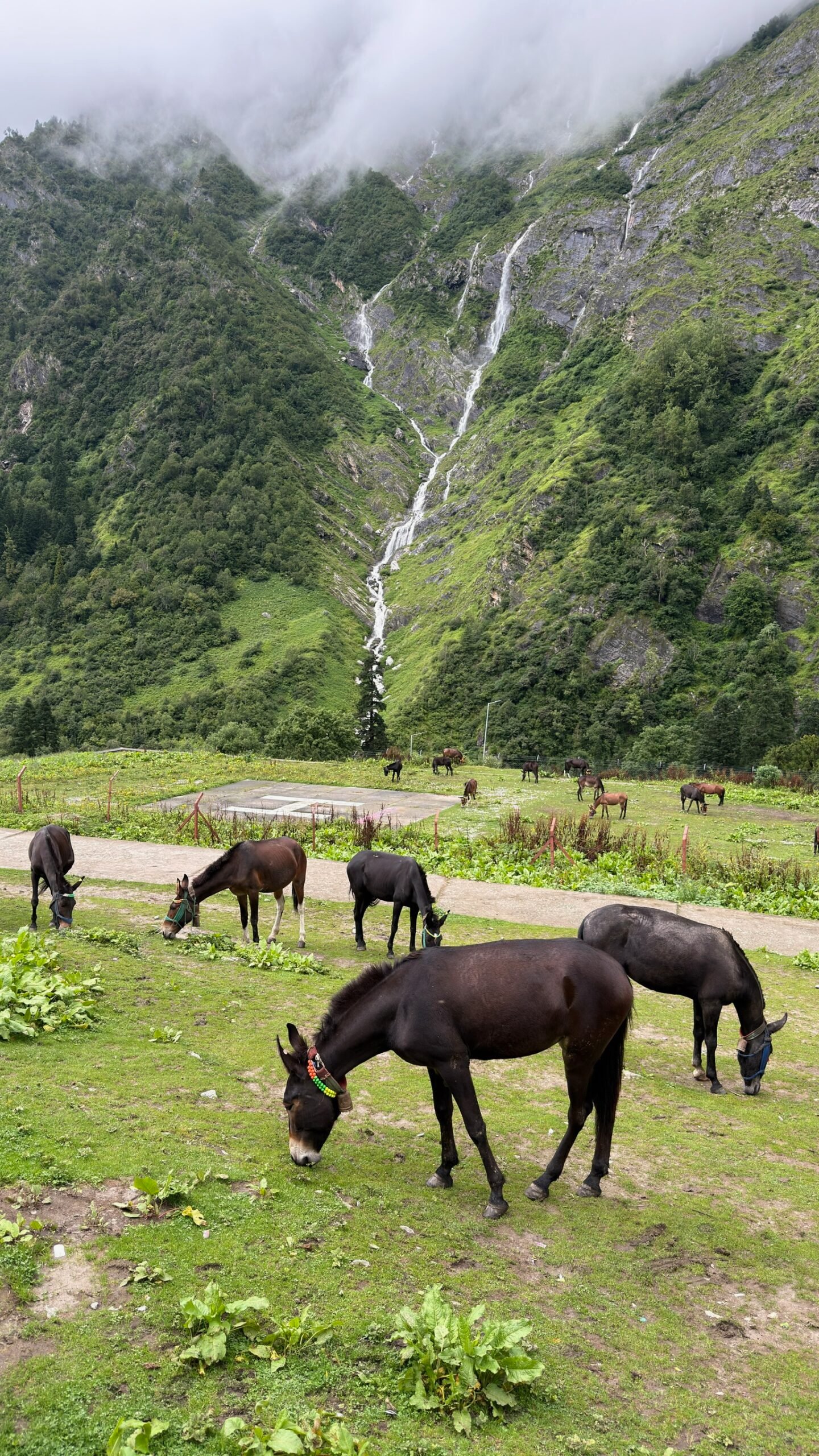
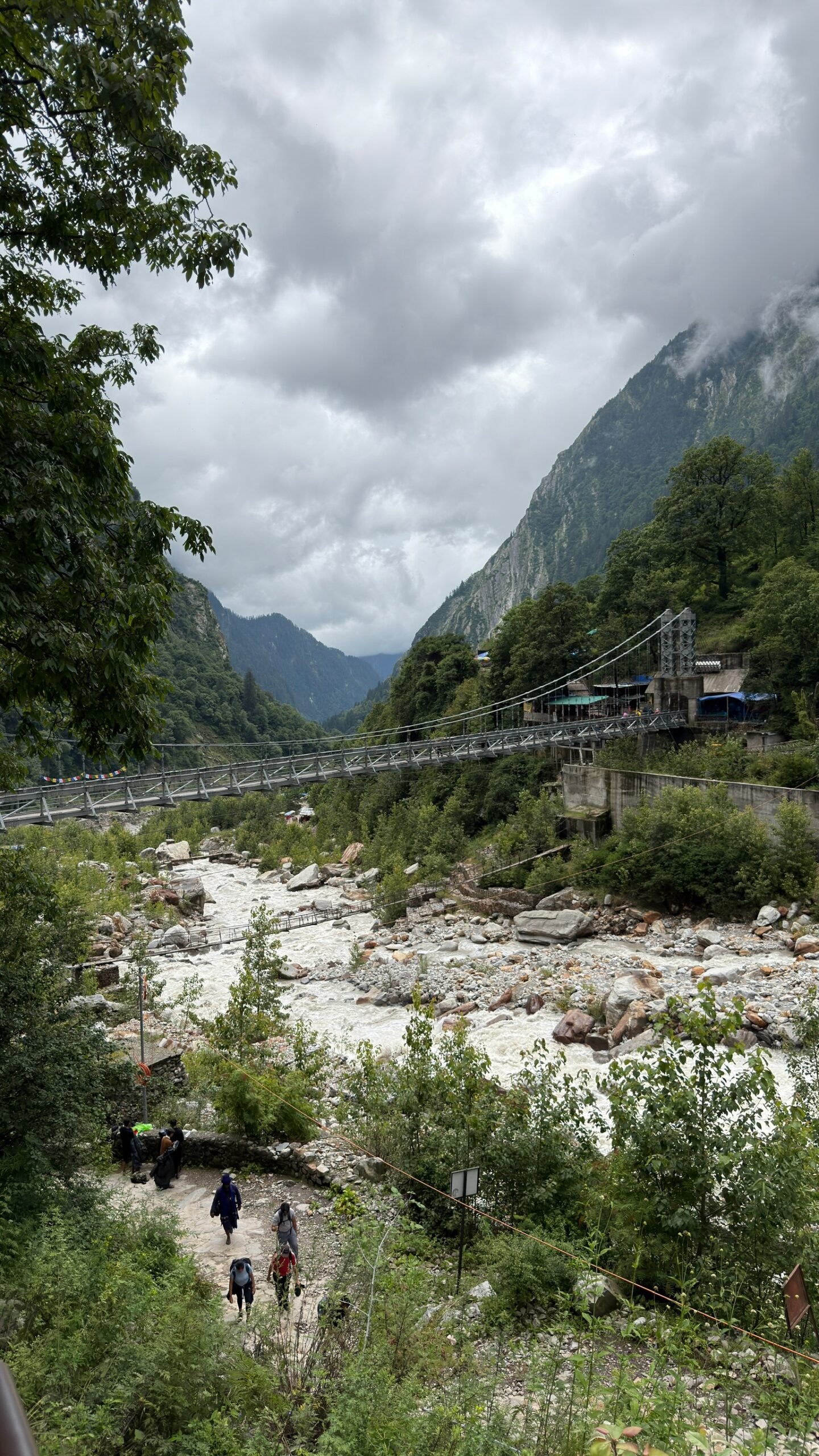
You’ll pass waterfalls, streams, forests and dramatic Himalayan views throughout the hike.
So don’t spend the entire trek looking at how much distance you have left. Look up and enjoy the landscape.
Alternatives to Trekking
If you don’t want to walk the entire route to Ghangaria, mules are available. We were quoted approximately ₹2,100 when we visited.
You can also hire a pitthu to carry you.
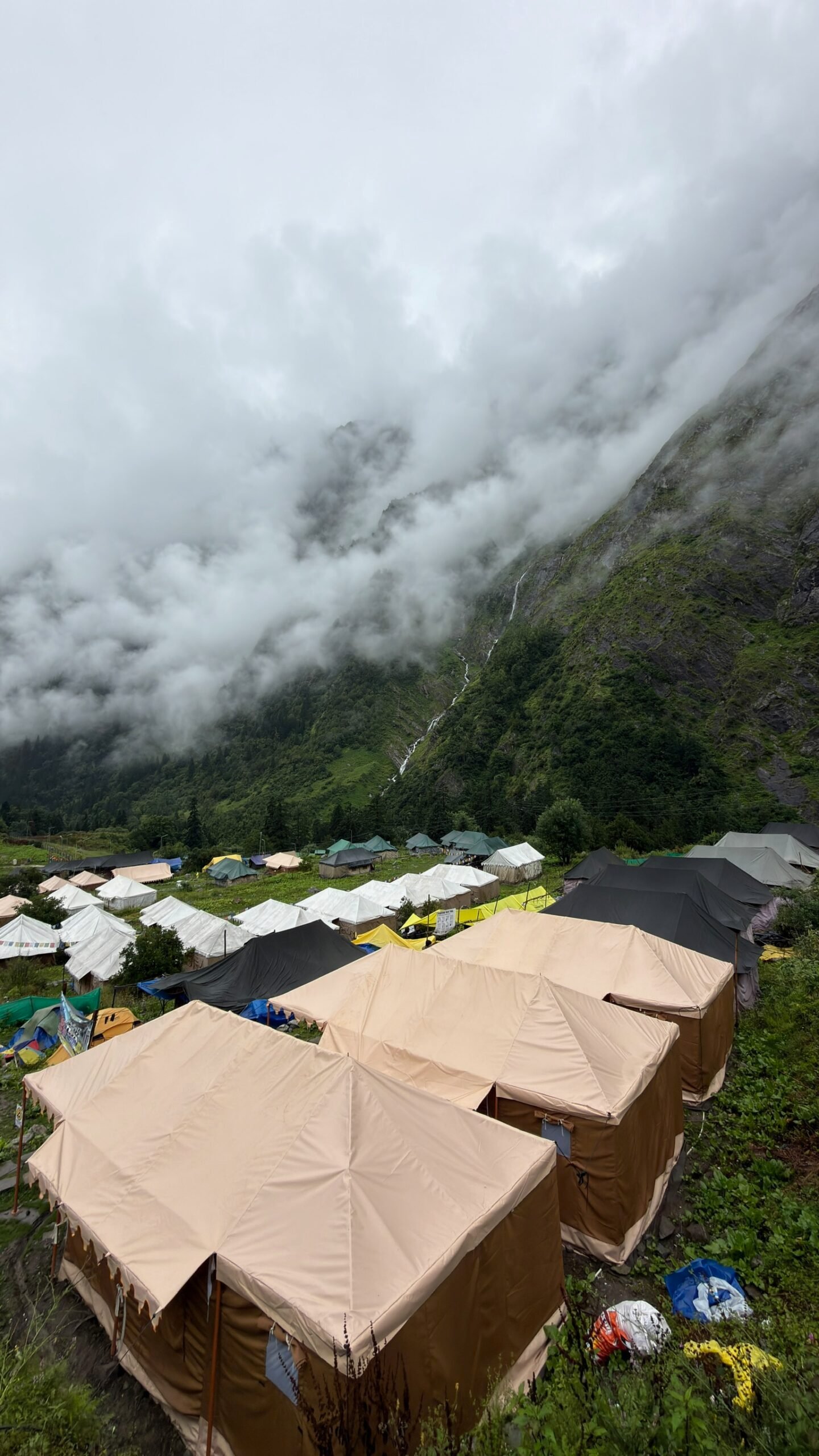
Where to Stay in Ghangaria
This is where you need to adjust your expectations.
We stayed at Kuber Annex, which was extremely basic. In general, accommodation in Ghangaria is functional rather than luxurious, and rooms
can cost around ₹3,000 to ₹5,000, depending on the property and season.
The food was decent, particularly simple meals such as dal and roti.
You’re essentially staying here to eat, sleep and recover before the next day’s trek, so I wouldn’t choose Ghangaria based on the hotel experience.
The Valley of Flowers Trek
The following day, we started the main trek from Ghangaria into the Valley of Flowers.
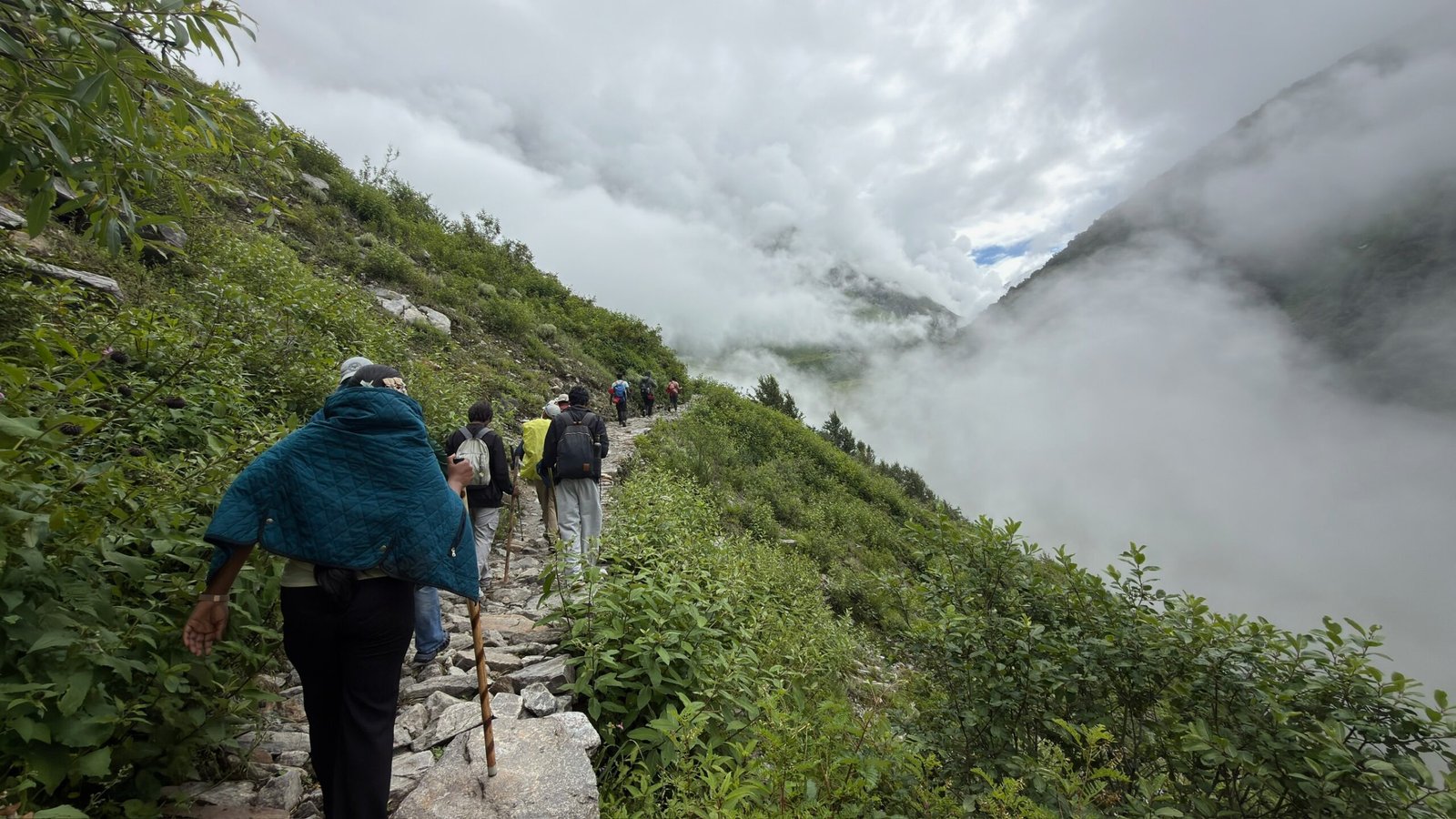
The distance to the valley is approximately 4 km one way, but because the route is uphill, it took us around 3 to 4 hours to reach the main valley
The return journey was considerably faster.
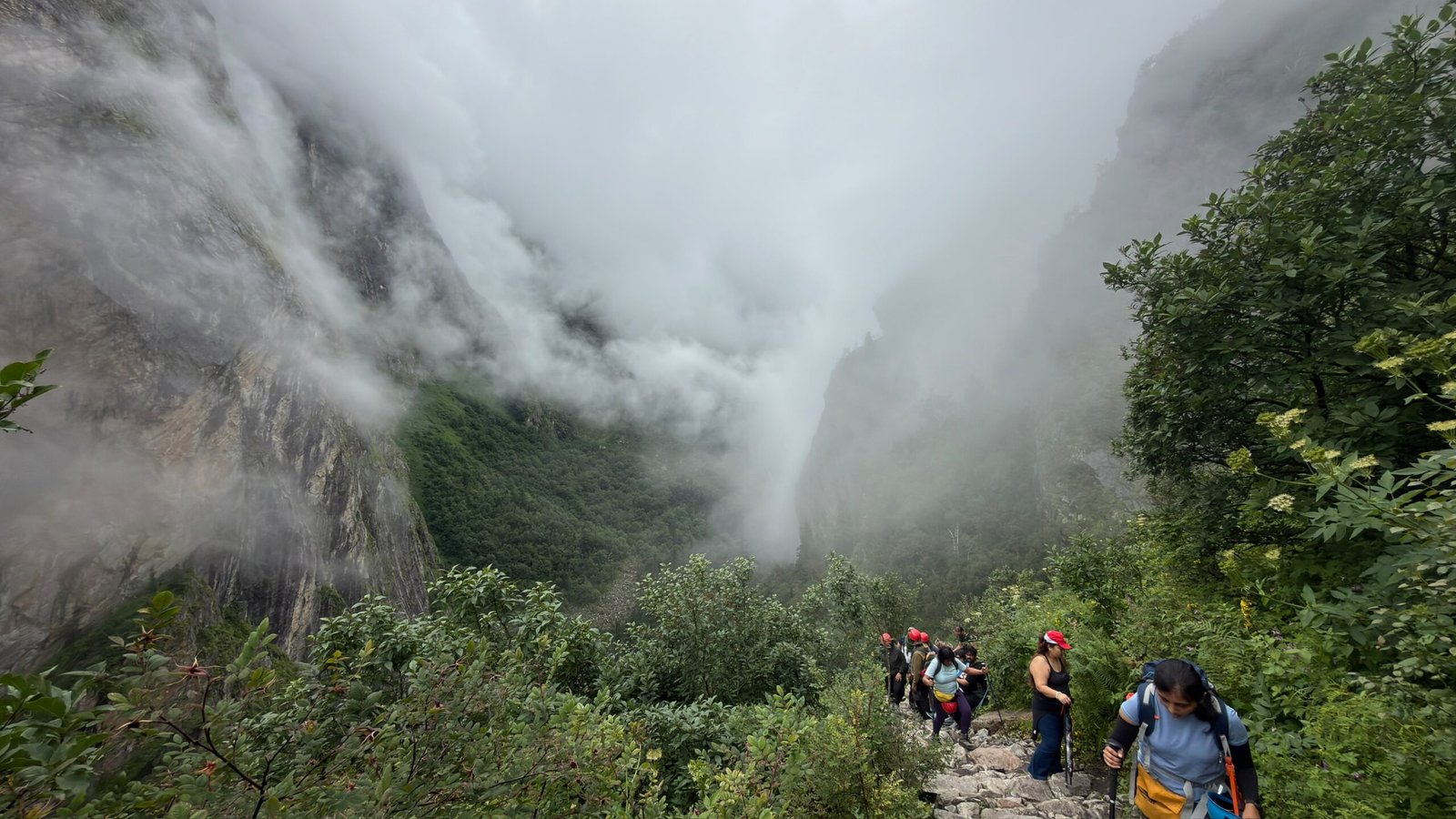
The trail is what makes this experience special.
As you climb, you’ll pass through forested sections, streams and waterfalls, while the views gradually open up to enormous Himalayan peaks and glaciers.
There were several moments along this trail that were just as impressive as the valley itself.
Don’t rush through this section just to reach the flowers.
How Difficult Is the Valley of Flowers Trek?
I’d rate the Valley of Flowers trek as moderate.
It’s not an easy walk, but you don’t need to be an experienced mountaineer or regular trekker either.
There are some steep sections, particularly through the forest, which can be tiring.
For me, the trek was challenging but manageable. I don’t regularly trek, and I was able to complete it without feeling completely exhausted.
If you’re reasonably fit and comfortable walking for several hours, you should be able to manage it at your own pace.
Can You Do the Valley of Flowers Trek at 60?
My dad is 60 years old, and he completed the trek with me.
He walked considerably slower than I did, but he was able to finish it.
Obviously, everyone’s fitness level is different, so age isn’t the only factor to consider. If you’re travelling with parents or older family members,
-allow them to walk at their own pace and don’t try to rush them to keep up with the group.
Do You Need a Guide?
We travelled as part of an organised tour, but because everyone in our group walked at different speeds, I ended up doing much of the trek on my own.
The route was straightforward during our visit and there were plenty of other trekkers around.
Based on my experience, I didn’t feel like I needed a guide constantly accompanying me.
However, first-time trekkers or people travelling independently may still prefer having a guide for navigation, logistics and local knowledge.
How Crowded Is Valley of Flowers?
This was probably the biggest surprise of the trip.
It was very crowded.
During peak season, thousands of people can visit the valley, and some sections of the trail can feel like a continuous line of trekkers.
So don’t expect complete solitude if you’re visiting during peak flowering season.
The good news is that the crowds thin out considerably if you continue deeper into the valley.
Don’t Stop at the First Viewpoint
This is probably the most important practical tip I’d give anyone visiting.
When you first enter the Valley of Flowers, you’ll reach a large open section where many people stop, take photographs and turn around.
Keep walking.
I’d recommend going at least towards the memorial of Joan Margaret Legge, the botanist who died in the valley in 1939 while studying its flora.
The further you go, the quieter it becomes.
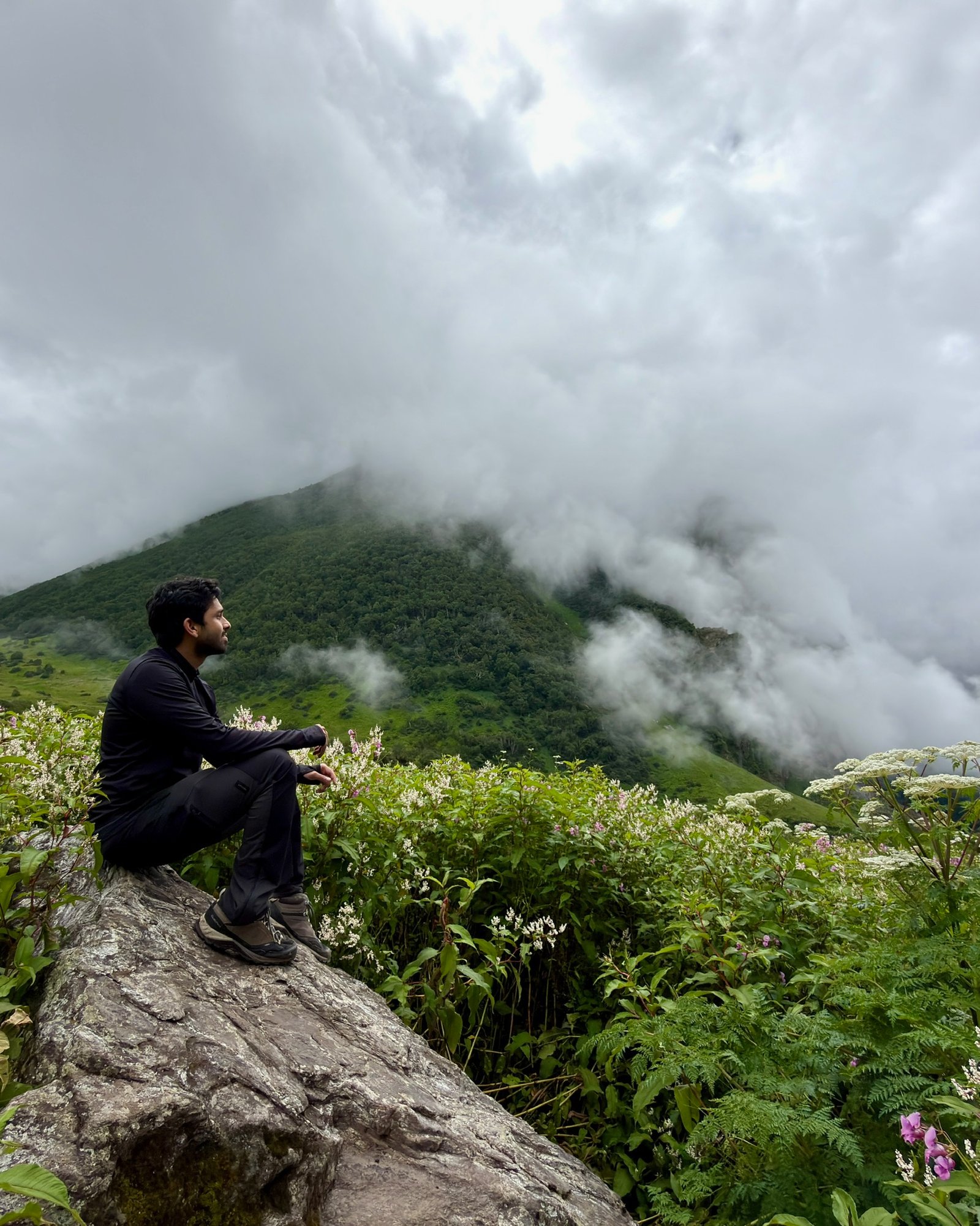
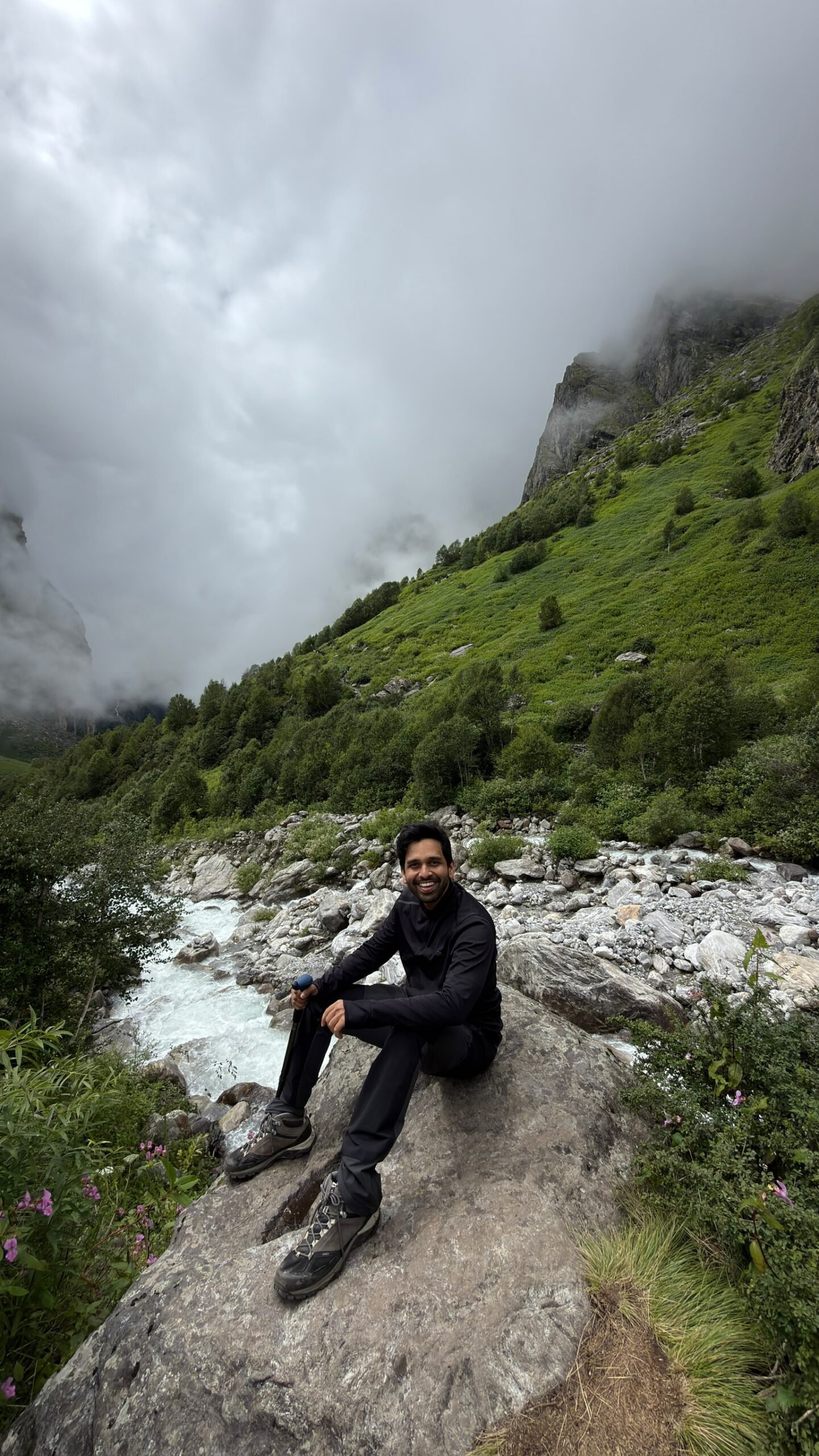
You’ll eventually find sections where you can sit on a boulder, look across the valley and enjoy the landscape without being surrounded by crowds.
Does Valley of Flowers Actually Look Like the Photos?
Yes, but manage your expectations.
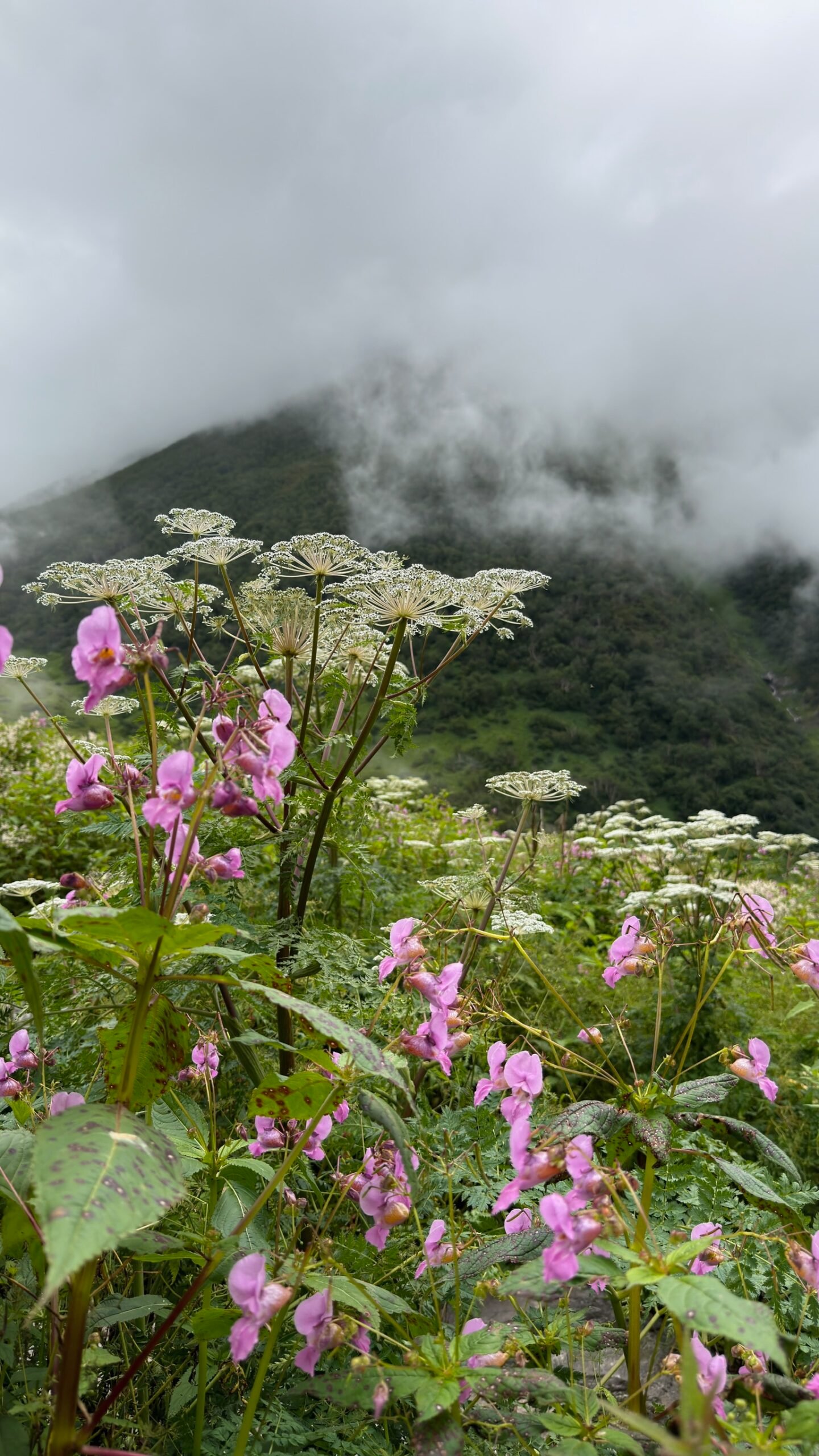
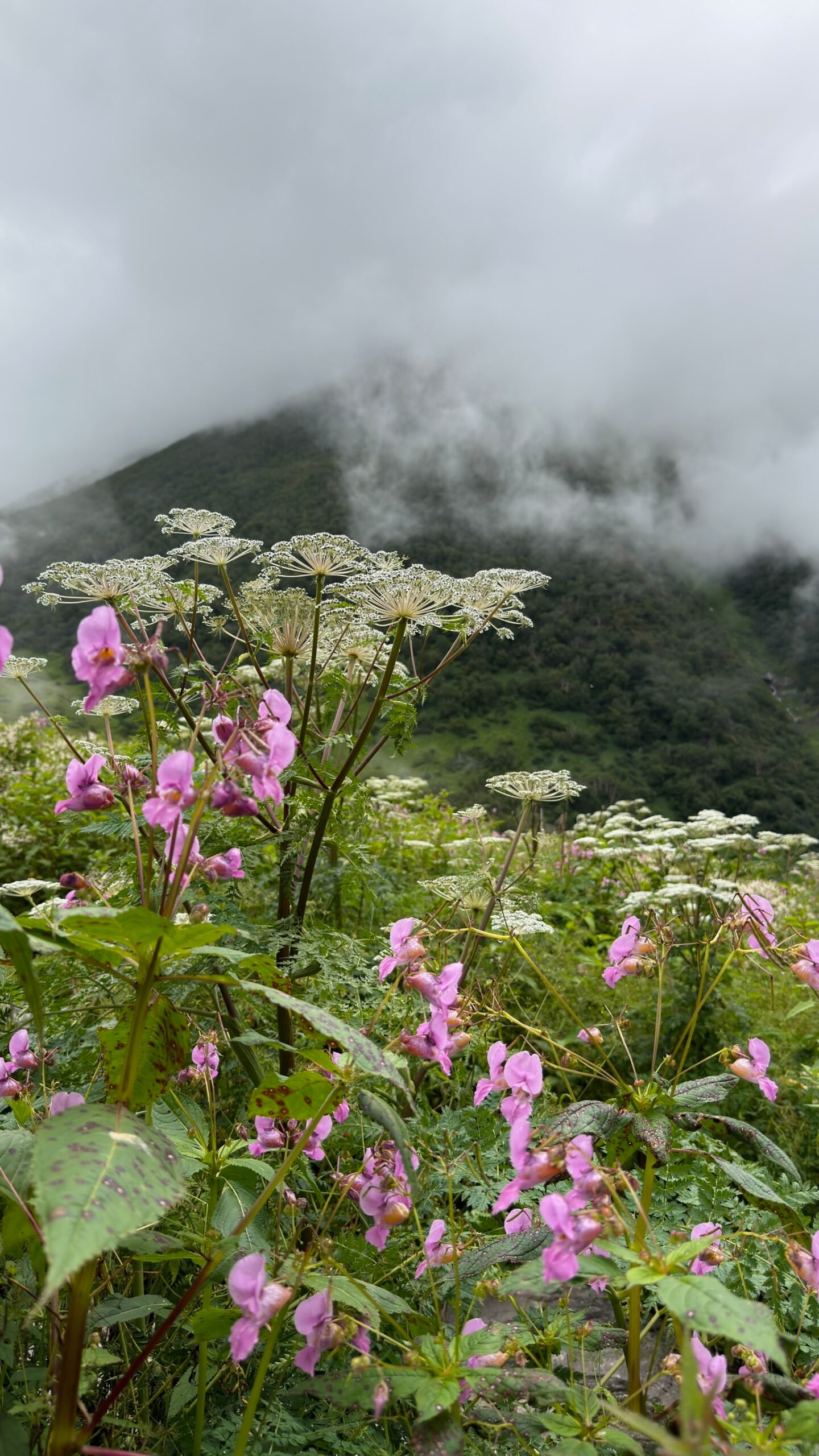
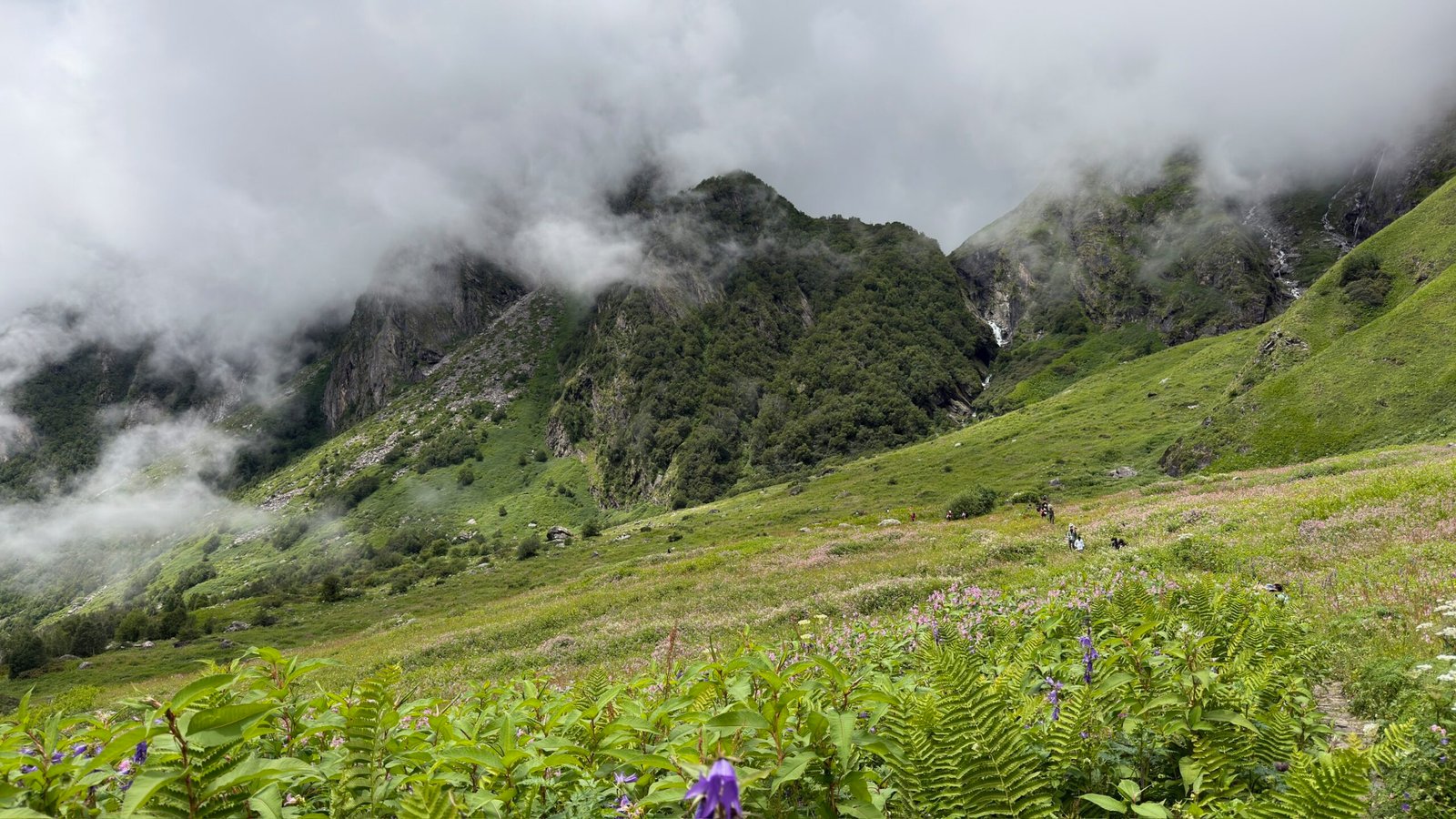
We visited when the valley was in bloom, and there were flowers throughout the landscape.
However, it didn’t necessarily look like some of the highly saturated photographs you see online, where the entire valley appears to be covered in an uninterrupted carpet of bright flowers.
And that’s okay.
The flowers are only one part of what makes this place special.
You’re surrounded by enormous mountains, waterfalls, glacier-covered peaks, streams, forests and alpine meadows.
For me, the scale and variety of the entire Himalayan landscape were more impressive than any single patch of flowers.
What to Carry for the Valley of Flowers Trek
I’d recommend carrying:
• Reusable water bottle
• Energy bars or snacks
• Comfortable trekking shoes with good grip
• Lightweight rain jacket or poncho
• Small backpack
• Sun protection
• Extra layer for changing weather
• Some cash for food and local services
Don’t overpack. A lighter backpack will make the uphill sections much easier.
And remember to stay on designated trails and avoid stepping into flower beds.
Valley of Flowers Trek: My Top Tips
1. Choose your dates carefully.
July and August are best for peak flowering, while September can be quieter.
2. Don’t rush the hike.
The waterfalls, forests, streams and Himalayan views are a major part of the experience.
3. Keep walking once you reach the valley.
The further you go, the fewer people you’ll find.
4. Expect crowds during peak season.
This is one of India’s most popular Himalayan hikes.
5. Walk at your own pace.
There’s no advantage to rushing.
6. You don’t need to be an experienced trekker.
If you’re reasonably fit, the trek is challenging but manageable.
7. Older travellers can potentially do it too.
My dad completed it at 60, just at a slower pace.
8. Keep expectations realistic in Ghangaria.
Accommodation is basic and primarily functional.
9. Explore beyond Mana Village.
The scenery gets better once you move away from the busiest areas.
10. Pack light.
You’ll appreciate it on the uphill sections.
Is the Valley of Flowers Trek Worth It?
Absolutely.
I went thinking the Valley of Flowers itself would be the highlight.
Instead, I found that the entire journey was the highlight.
Walking through forests, past waterfalls and streams, looking up at glacier-covered peaks and eventually emerging into an enormous Himalayan valley filled with wildflowers is what makes this one of the most beautiful hikes in India.
And if you’re wondering whether you need to be an experienced trekker, my experience says you don’t necessarily need to be. I don’t regularly trek, and my 60-year-old dad completed it too, simply by walking at his own pace.
So go with realistic expectations, choose your dates carefully, don’t rush the trail and explore beyond where most people turn around.
The Valley of Flowers isn’t just somewhere you reach. The journey there is the experience.
– Blog Written By Rishul Bangar
Leave a Reply